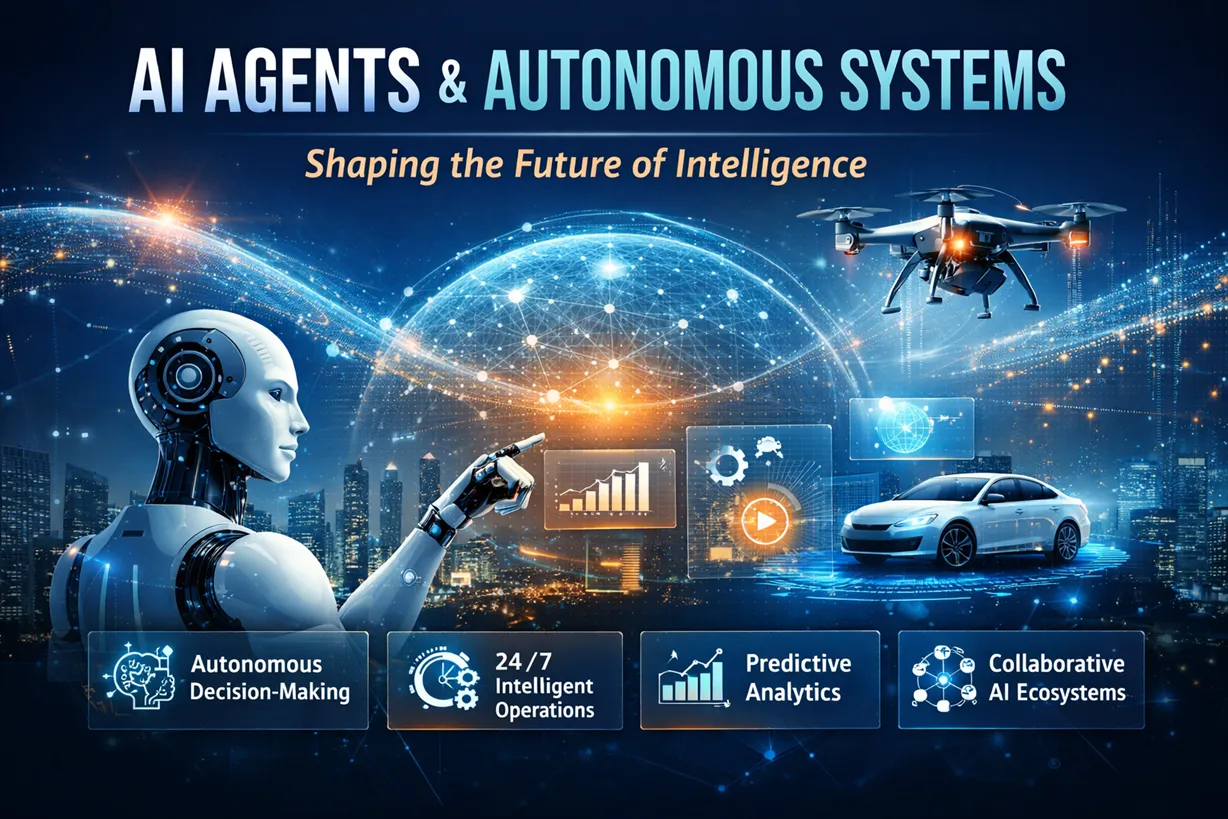
The conversation around Artificial Intelligence has evolved. We are no longer just talking about chatbots, automation scripts, or recommendation engines. The real transformation is happening with AI Agents and Autonomous Systems — technologies that don’t just assist humans, but think, decide, and act independently.
This is not the future. This is now.
From Tools to Digital Decision-Makers
Traditional software waits for instructions.
AI agents, however, are proactive.
An AI agent can:
- Analyze data
- Make decisions
- Execute tasks
- Learn from outcomes
- Improve performance autonomously
Instead of being programmed for every scenario, these systems adapt dynamically. They operate like digital team members — capable of planning, reasoning, and acting toward specific goals.
The shift is profound:
We are moving from automation to autonomy.
What Exactly Are AI Agents?
AI agents are intelligent systems designed to pursue goals with minimal human intervention. They observe their environment, process information, make decisions, and take action — all while continuously learning.
Examples include:
- Autonomous customer support systems
- AI-powered trading bots
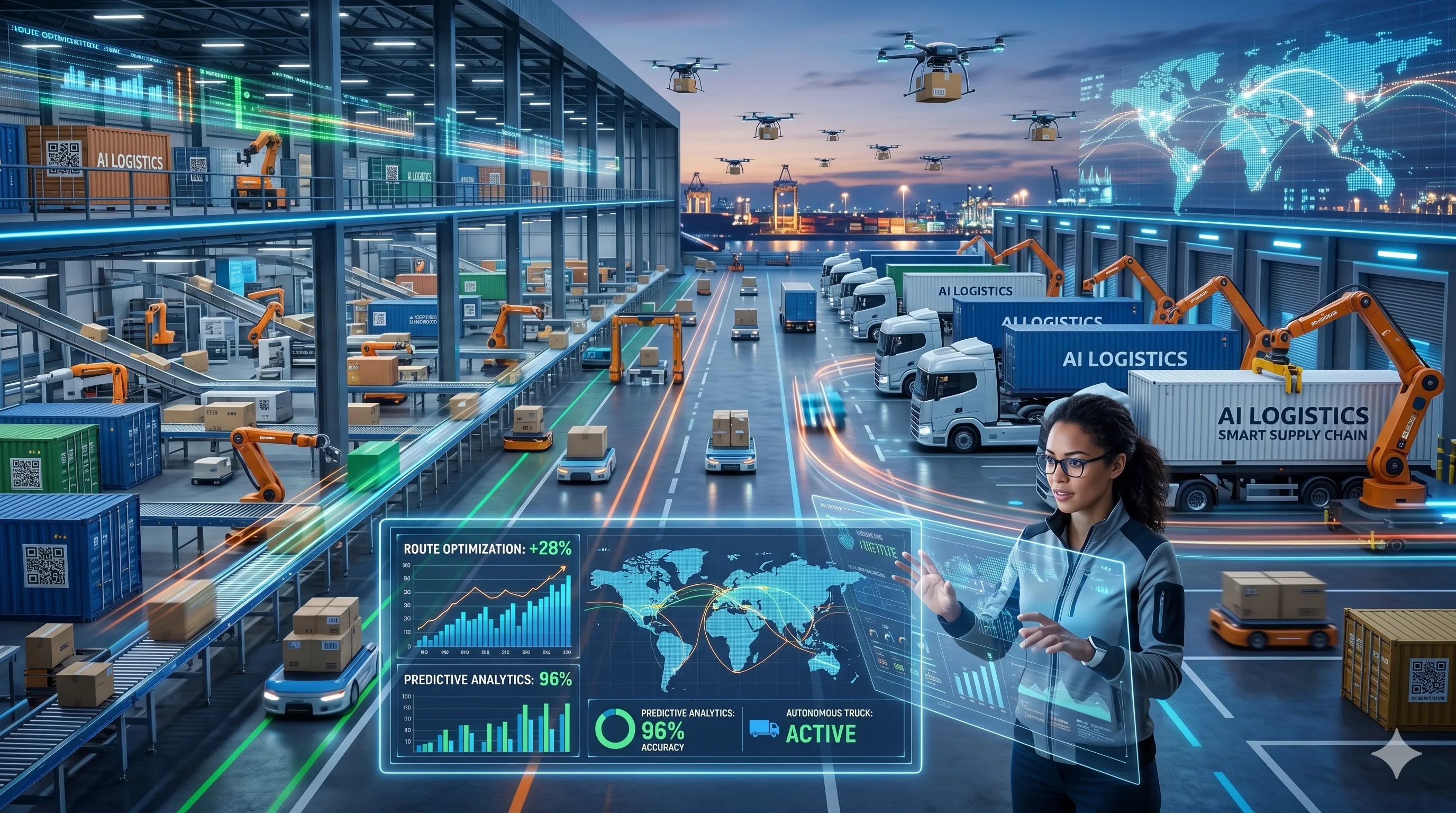
- Self-optimizing supply chains
- Intelligent cybersecurity defense systems
- Smart manufacturing robots
But the next wave goes further — multi-agent ecosystems where multiple AI agents collaborate, negotiate, and solve complex business challenges together.
Why Businesses Are Paying Attention
Organizations today face increasing complexity:
- Massive data volumes
- Rapid market shifts
- Operational inefficiencies
- Skill shortages
AI agents address these challenges by enabling:
1️⃣ Real-Time Decision Making
No more waiting for human approvals for repetitive or data-driven tasks.
2️⃣ 24/7 Intelligent Operations
Autonomous systems don’t sleep, fatigue, or slow down.
3️⃣ Cost Optimization
Reduced operational overhead and improved productivity.
4️⃣ Predictive Intelligence
Agents anticipate problems before they occur.
This isn’t about replacing people — it’s about amplifying human potential.
Autonomous Systems Across Industries
AI autonomy is transforming every sector:
Healthcare:
AI agents assisting in diagnostics, patient monitoring, and drug discovery.
Finance:
Autonomous fraud detection and algorithmic trading.
Logistics:
Self-optimizing route management and warehouse automation.
IT & Software Development:
AI coding agents, automated testing systems, and DevOps intelligence.
Enterprise Operations:
Intelligent workflow orchestration and business process automation.
The competitive advantage is clear:
Companies adopting AI agents early will outpace those still relying on manual processes.
The Ethical & Strategic Dimension
With autonomy comes responsibility.
As AI systems gain decision-making power, organizations must prioritize:
- Transparent AI governance
- Data privacy compliance
- Bias mitigation
- Human oversight frameworks
The future of AI isn’t just intelligent — it must also be accountable.
The companies that win will balance innovation with responsibility.
The Next Frontier: Collaborative Intelligence
The most exciting development isn’t just single AI agents — it’s collaborative AI ecosystems.
Imagine:
- A marketing AI agent analyzing trends
- A sales AI agent adjusting pricing
- A supply chain AI agent optimizing inventory
- A finance AI agent managing risk
All communicating and aligning toward shared business goals.
This is the emergence of digital organizations powered by coordinated autonomous intelligence.
Preparing for the Autonomous Era
To stay competitive, businesses must:
- Invest in AI-ready infrastructure
- Modernize legacy systems
- Develop AI governance frameworks
- Upskill teams for AI collaboration
- Adopt scalable, modular architectures
AI agents are not plug-and-play tools — they require strategic implementation.
Final Thoughts
AI Agents and Autonomous Systems represent the next evolutionary leap in intelligence.
We are transitioning from systems that execute commands to systems that pursue objectives.
From automation to autonomy.
From reactive technology to proactive intelligence.
The organizations that embrace this transformation today will define the digital economy of tomorrow.
The future of intelligence is not just artificial — it is autonomous.