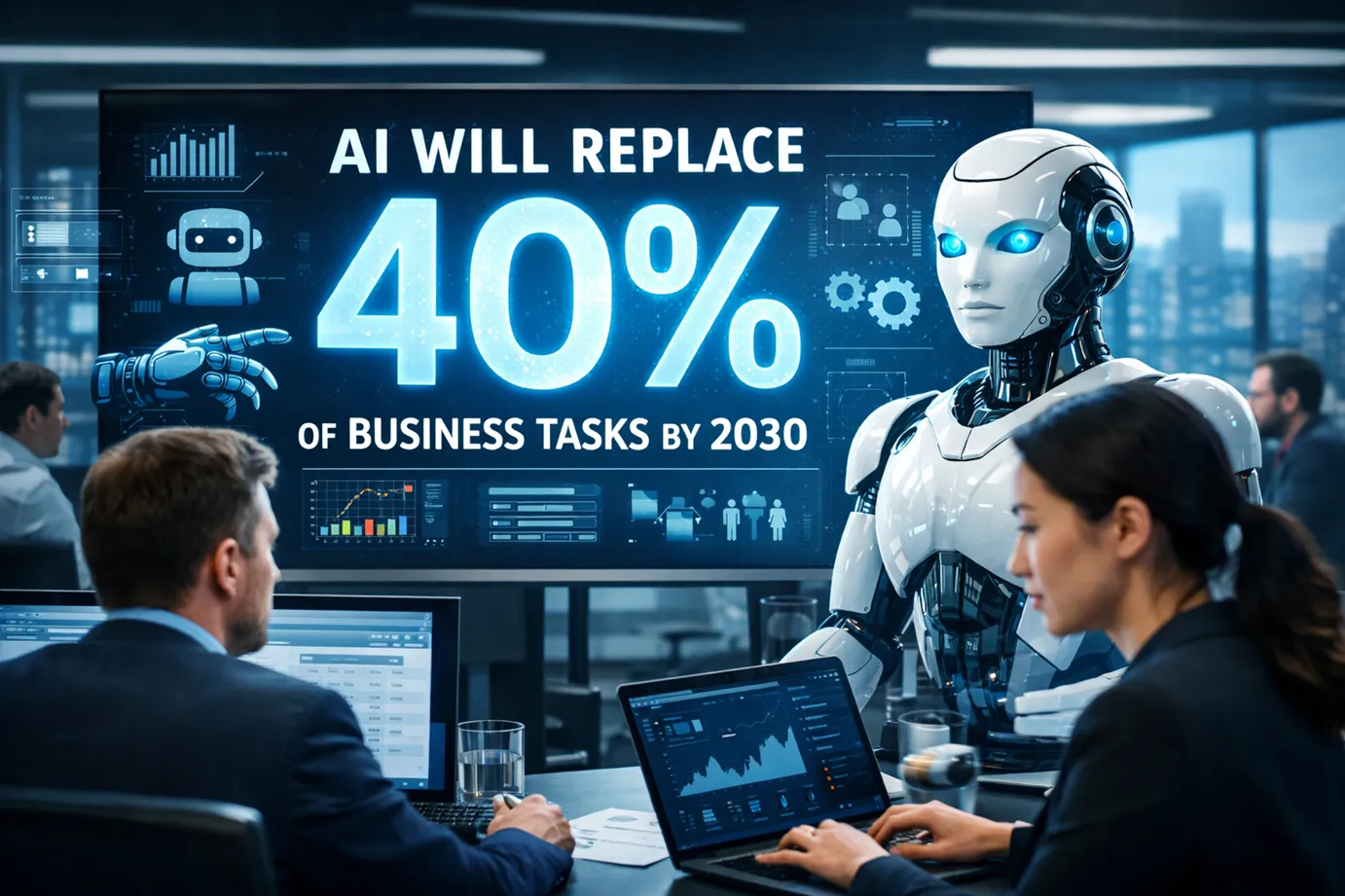
Artificial Intelligence is no longer a futuristic idea—it has become a practical technology that is already transforming how businesses operate. From automating customer service responses to analyzing massive amounts of data in seconds, AI systems are reshaping modern workplaces. Many technology analysts now estimate that by 2030, nearly 40% of routine business tasks could be automated using AI technologies.
While this prediction may sound alarming at first, the reality is more complex. Instead of simply replacing jobs, AI is more likely to change how work is performed, enabling employees and organizations to become more efficient, innovative, and productive.
Understanding AI in Business
Artificial Intelligence refers to computer systems that can perform tasks that normally require human intelligence. These tasks include recognizing patterns, understanding language, predicting outcomes, and making decisions based on data.
Modern AI technologies—such as machine learning, natural language processing, and automation tools—are already used across industries. Businesses use AI to analyze customer behavior, detect fraud, optimize supply chains, and improve marketing strategies.
Tools like ChatGPT, Google Gemini, and Claude AI demonstrate how AI can assist with communication, data analysis, content creation, and problem solving.
Why Businesses Are Rapidly Adopting AI
Companies are investing heavily in AI for several important reasons:
1. Increased Efficiency
AI systems can complete repetitive tasks much faster than humans. Activities such as data entry, report generation, and basic customer interactions can be automated, allowing employees to focus on more complex work.
2. Better Decision Making
AI can analyze large datasets and detect patterns that humans might overlook. This helps businesses make smarter decisions related to marketing, product development, and risk management.
3. Cost Reduction
Automating routine processes reduces operational costs. Organizations can allocate their resources more strategically instead of spending time on repetitive administrative work.
4. Improved Customer Experience
AI-powered chatbots and recommendation systems help companies provide faster and more personalized services to customers.
Which Business Tasks Are Most Likely to Be Automated?
The prediction that 40% of tasks could be automated by 2030 mainly refers to routine, repetitive, and data-driven activities. These include:
- Data entry and documentation
- Customer support responses
- Scheduling and administrative coordination
- Basic financial analysis
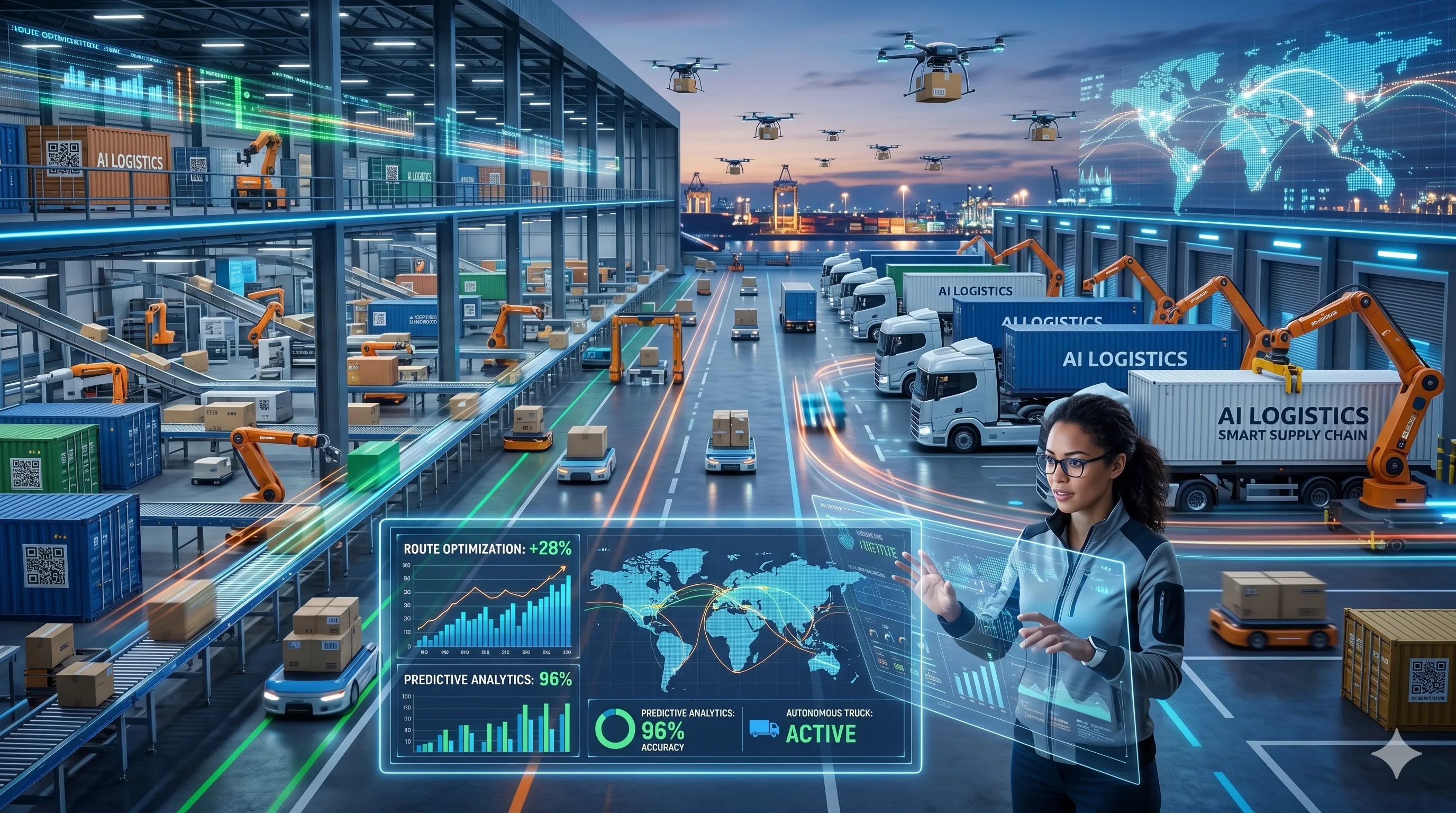
- Inventory tracking and logistics management
- Content drafting and reporting
However, tasks requiring creativity, emotional intelligence, leadership, and complex problem-solving remain difficult for AI to fully replicate.
AI Will Transform Jobs—Not Just Replace Them
One of the biggest misconceptions about AI is that it will eliminate jobs entirely. In reality, technological revolutions historically create new types of jobs while transforming existing ones.
For example, the rise of AI has already created demand for specialists in fields such as:
- Machine Learning
- Data Science
- Artificial Intelligence
At the same time, many traditional roles are evolving. Marketing professionals now use AI tools to analyze customer behavior. Human resource teams rely on AI to screen resumes. Financial analysts use AI-driven platforms to forecast market trends.
Instead of replacing workers, AI is becoming a powerful assistant that enhances human capabilities.
Skills That Will Become More Important
As automation grows, the most valuable skills will shift toward abilities that machines cannot easily replicate. These include:
- Critical thinking and complex problem solving
- Creativity and innovation
- Emotional intelligence and communication
- Strategic decision making
- Leadership and collaboration
Professionals who combine these human skills with an understanding of AI tools will be highly valuable in the future workforce.
How Businesses Should Prepare for the AI Era
Organizations that want to stay competitive should start preparing now. Some important steps include:
- Investing in employee training to build digital and AI-related skills.
- Integrating AI tools gradually into existing workflows.
- Encouraging collaboration between humans and AI systems.
- Focusing on innovation rather than simple automation.
Companies that successfully adopt AI will likely gain significant advantages in productivity, customer satisfaction, and strategic decision making.
The Future: Collaboration Between Humans and AI
The future workplace will not be a competition between humans and machines. Instead, it will be a collaboration between human creativity and AI-powered efficiency.
By automating repetitive tasks, AI allows professionals to spend more time on innovation, strategy, and meaningful problem solving. This shift could lead to more productive businesses and more fulfilling work for employees.
Conclusion
The prediction that AI may replace 40% of business tasks by 2030 highlights the speed at which technology is transforming the global economy. However, this transformation should not be viewed as a threat. It represents an opportunity for businesses and professionals to evolve.
Organizations that embrace AI responsibly—and individuals who learn to work alongside intelligent technologies—will be best positioned to thrive in the next era of digital innovation.